If you've been experiencing hearing difficulties, it would be wise to schedule a hearing test as soon as possible. Hearing tests are relatively quick and straightforward procedures that can help identify any issues with your ears and allows Audiologists to determine the best course of treatment.
Going in for a hearing test can seem like a daunting experience for the first time, so it's important to know what to expect to ensure that you will be well-prepared for all of the various procedures and any follow-up appointments or treatment recommendations.
Familiarizing yourself with the process also facilitates a smoother experience overall and allows you to be more confident throughout each of the various stages, which can actually lead to more accurate results.
The Purpose of a Hearing Test
A hearing test is designed to determine how well you hear certain sounds and words. During the test, an Audiologist will measure your ability to hear different tones and frequencies of sound in each ear. They will also be looking for any signs of damage or physical abnormality in your ears that could affect your hearing ability.
What to Bring with You
The following is usually not mandatory and can often just be recalled from memory. However, for those with extensive or detailed histories or those who just have trouble remembering things, it may be beneficial to consider. Before heading out for your appointment, make sure to bring a list of any questions or concerns that you may have about your hearing health, as well as any recent medical records related to your ears. Your Audiologist will want to know if there are any medications or other treatments that may have been prescribed by another doctor that might interfere with the results of the test, so it is important that they have access to this information.
The Testing Process
Hearing examinations typically consist of five main components. They are mostly short and completely painless, lasting anywhere between 30 minutes to a little over an hour. As each person's own hearing circumstances are different, you may or may not be subject to all five diagnostic evaluations. Nevertheless, comprehensive hearing tests will always feature some iteration of the following five segments:
Medical History
At the beginning of any hearing evaluation, it is common for an Audiologist to ask a variety of questions. These may include questions about the medications you take, whether any of your relatives have hearing problems, how much noise you are exposed to, your hobbies, your employment history, and whether you are presently experiencing any problems with your hearing. This information will give the Audiologist a good glimpse of your superficial hearing health, which will help them to anticipate how you will perform in the tests ahead and what treatments will likely be prescribed.
Otoscopy
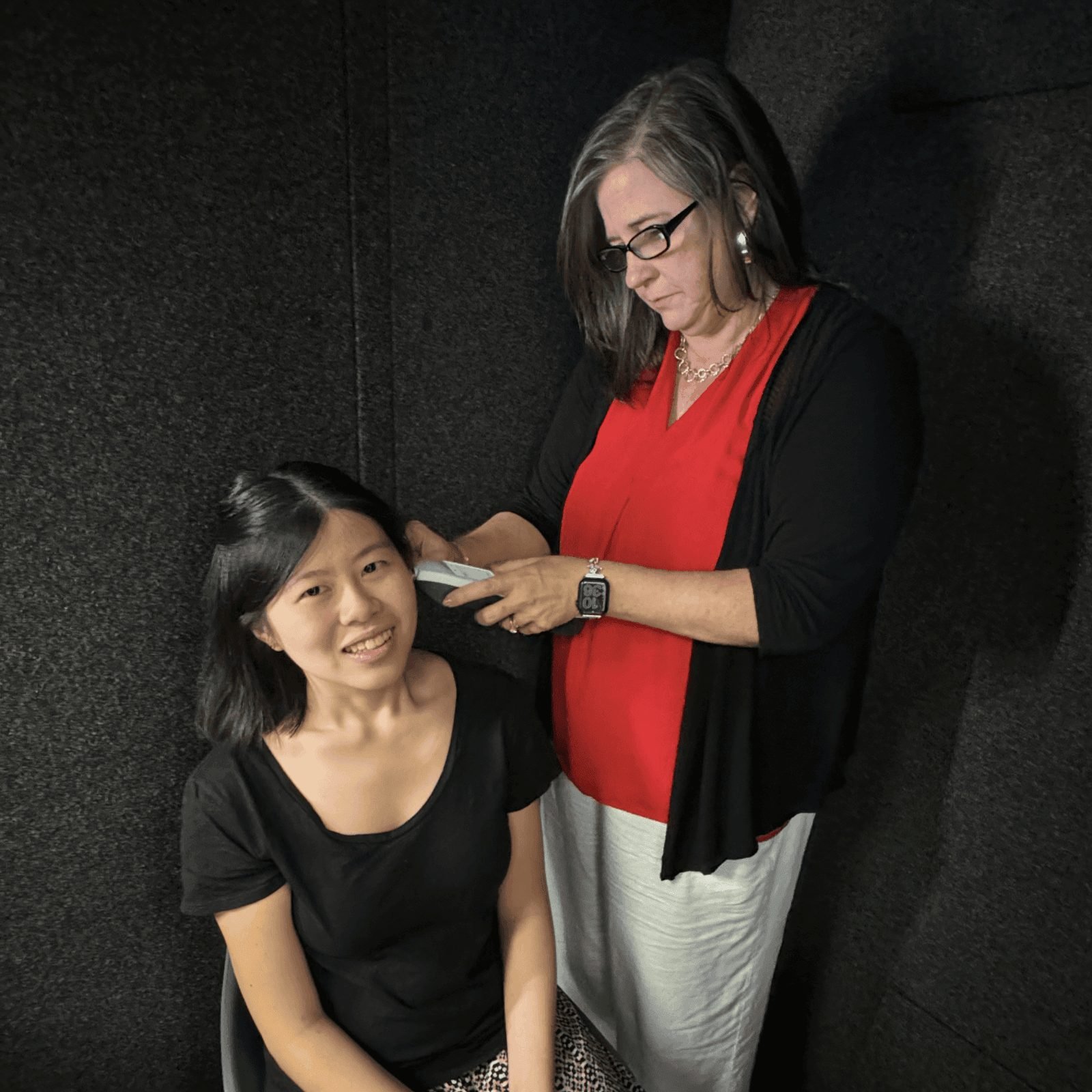
During this part of the evaluation, the Audiologist will thoroughly examine your ear canal with an otoscope, which is a hand-held instrument that provides magnification and illumination, to look for any physical abnormalities or obstructions. This could range from earwax buildups to foreign objects to irregular bone or tissue growth that might prevent sound from properly reaching the inner ear. The Audiologist will also assess the condition of your eardrum, looking for any perforations or scarring.
Tympanometry
During tympanometry, an Audiologist will use a tool called a tympanometer to measure the flexibility of your eardrums by adjusting the pressure in the ear canal while monitoring its reaction to a steady sound stimulus. The readings from the probe of your eardrum's response to the pure-tone sound stimulus at various pressure levels are represented in a basic line graph known as a tympanogram. Tympanometries are a more precise technique for discerning fluid accumulation or eardrum damage that might be undetectable or overlooked by a visual inspection.
Speech Testing
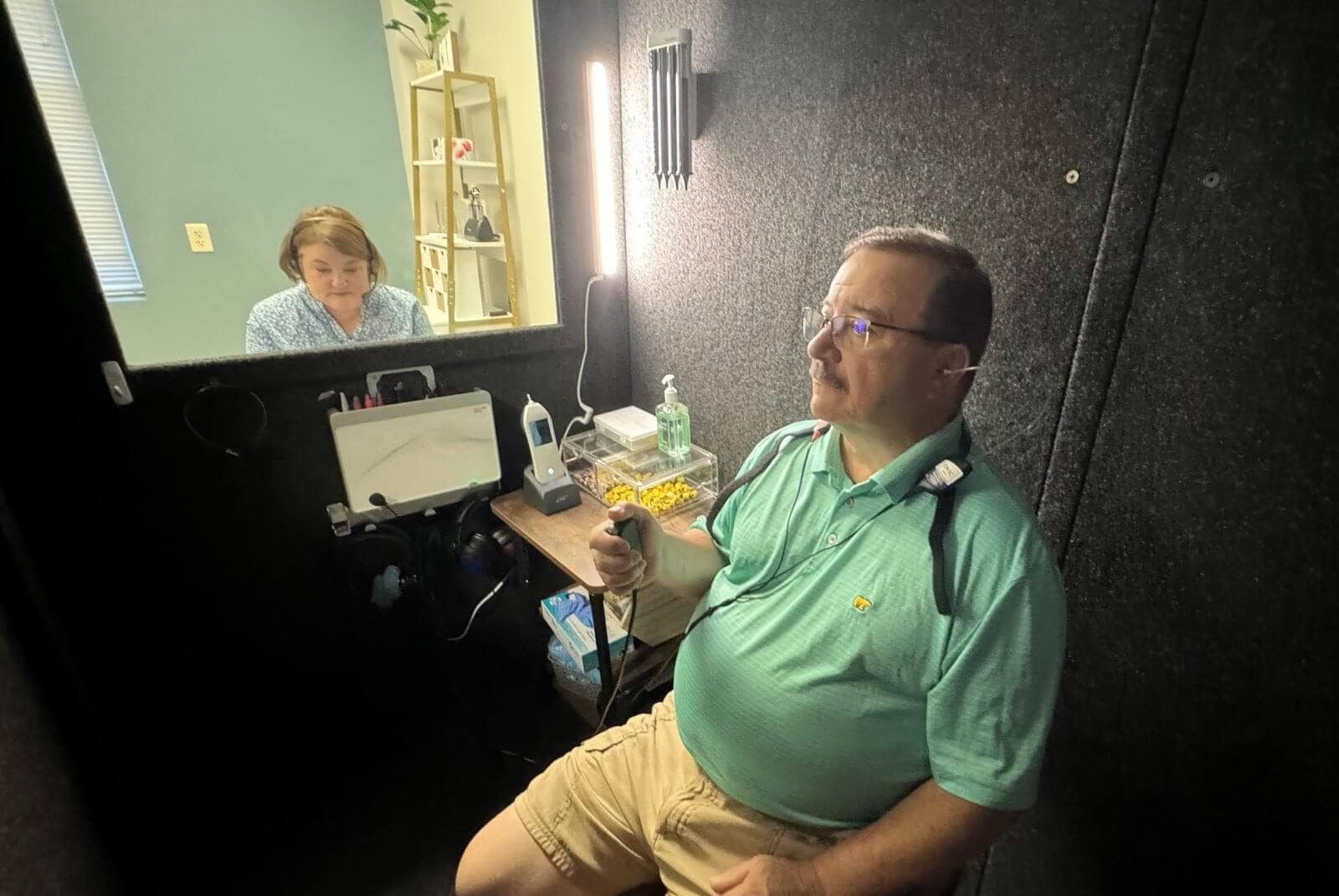
You will be asked to wear a pair of headphones while sitting in a soundproof room or booth when you undergo speech testing. This process consists of two components: the Speech Recognition Threshold (SRT) test and the Word Recognition Test (WRT). During the SRT, the volume of words heard through the headphones is gradually lowered until you can only recall 50% of the words correctly. As for the WRT, it is used to measure how well you can identify words that are played at a constant standardized volume. Audiologists will be able to decide which type of treatment plan would be most effective for you by analyzing the results of these two tests.
Air and Bone Conduction Testing
Audiologists rely on air and bone conduction tests to help them pinpoint the main cause or source of your hearing issues. Like speech testing, these two assessments are performed in a soundproof room and also involve headphone usage. For the air conduction test, you must respond to various tones or frequencies you hear, either by pressing a button or raising your hand. The Audiologist may also ask you follow-up questions regarding various characteristics of the sounds you hear. The bone conduction test is a bit different and requires you to wear a special headband that sends vibrations straight to the auditory nerve. Responses to the physical stimulation are noted, and the results from both tests allow the Audiologist to determine if your hearing loss is due to underlying physical anomalies or compromised auditory nerve function.